Spot2NiteSpot2Nite

Offroading Nearby

One of over 34 Spot2Nite camping activities

Fuel your adventurous spirit at campgrounds and RV parks near offroading trails. Whether you're into ATVs, dirt bikes, or 4x4 vehicles, these destinations provide access to rugged terrains and thrilling rides, making them ideal for offroad enthusiasts.

RV parks and campgrounds with Offroading Nearby near Kalama, Washington.
Instant book

Up to 10% off

image 0

Cougar RV Park & Campground

27 RV Sites, 5 Cabins, 3 Tent Sites

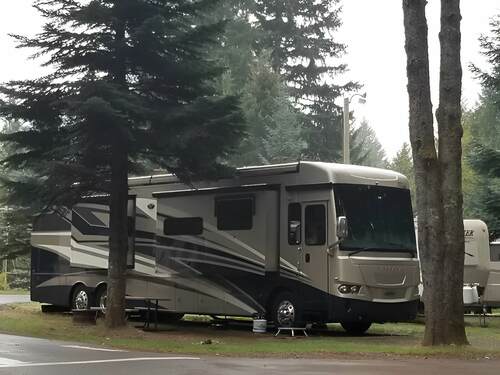
Cougar RV Park & Campground in Cougar, Washington, offers 27 RV sites, five cabins, and three tent sites at the base of Mount St. Helens on the Lewis River's Yale Reservoir, with 30 and 50-amp service and rigs accepted to 40 feet on a big-rig-friendly layout. Full-hookup pull-throughs join water-and-electric back-ins in a forested mountain setting. Twenty-seven sites run in water-and-electric back-in and full-hookup pull-through categories carrying 30 and 50-amp, sized to 40 feet, with fire pits and picnic tables. Note the 40-foot cap before booking a larger rig. Five cabins and three tent sites round out the accommodations. A general store, laundry, restrooms, showers, firewood, and WiFi handle the practical side. All types of RVs are welcome — the park answers questions directly at [email protected]. Pets are welcome. A pavilion fills the grounds, with fishing, birding, and planned activities from the property. Snowboarding, off-roading, and boating are all nearby. The position is genuinely dramatic. The campground sits directly on the south flank of Mount St. Helens — the active stratovolcano that reshaped southwest Washington on May 18, 1980, and has since become one of the most actively studied volcanic environments in the world. The Mount St. Helens National Volcanic Monument, the Ape Cave lava tube, and the Lewis River system's fishing and water recreation are all immediately accessible. Summer is peak for monument access and the Lewis River. Reserve ahead for July and August weekends.

from $22/night
Instant book

image 0

Tahuya Adventure Resort

12 RV Sites, 6 Tent Sites, 6 Glamping Sites

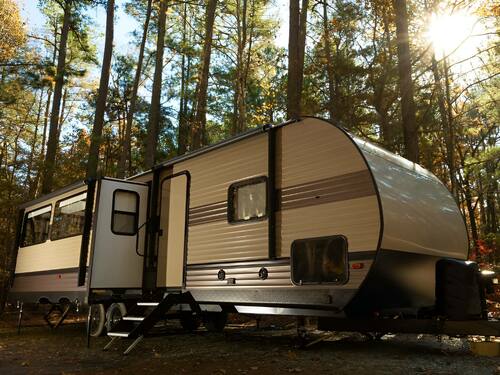
Tahuya Adventure Resort in Belfair, Washington, offers spacious RV sites, tent camping, and upscale glamping tents equipped with pellet stoves, microwaves, and refrigerators at the southern tip of Hood Canal in Mason County — a waterfront and forest resort on the Kitsap Peninsula where the Olympic Mountains rise on the western horizon above the Hood Canal's fjord-like water and the Tahuya State Forest's OHV trail system, equestrian paths, and mountain bike routes extend the resort's outdoor recreation access into one of the most varied and least-crowded natural landscapes in Washington State. Belfair's Hood Canal position gives guests the specific combination of saltwater access, Olympic Peninsula proximity, and the Kitsap Peninsula's outdoor recreation infrastructure that makes Mason County a compelling outdoor destination. RV sites, tent camping, and glamping tents with pellet stoves, microwaves, and refrigerators give the resort the accommodation range to serve guests from the self-contained RV traveler to the comfort-seeking glamping visitor who wants the Hood Canal and Olympic Mountain setting with the warmth and convenience of climate-controlled canvas accommodation. The pellet stove glamping format is specifically appropriate for the western Washington climate, where the cool maritime temperatures of the Hood Canal corridor make the radiant heat of a pellet stove a genuine comfort enhancement across the full camping season rather than a novelty. Pets are welcome. Hood Canal, a 65-mile fjord-like arm of Puget Sound running along the eastern base of the Olympic Peninsula, is one of the most ecologically productive and most scenically dramatic saltwater environments in Washington State — the Hood Canal's cold, clear water sustains Dungeness crab, Pacific oyster, Manila clam, and geoduck populations that the shoreline communities harvest commercially and recreationally, and the Hood Canal Bridge crossing at Quilcene gives visitors the Olympic Peninsula access that makes Hood Canal the gateway corridor to Olympic National Park's varied wilderness zones. The canal's signature experience is shellfish harvesting — low-tide clamming and oyster gathering on the Hood Canal's public tidelands gives families the most immediately rewarding seafood-from-the-beach experience in the Pacific Northwest. Olympic National Park, accessed via U.S. 101 along Hood Canal's western shore, encompasses three distinct ecological zones in one of the most physically varied national parks in the system — the Olympic Mountains' alpine glaciers and meadows, the Hoh Rain Forest's temperate rainforest with annual rainfall exceeding 140 inches, and the 73-mile Pacific Coast wilderness beach from Shi Shi in the north to the Quinault Indian Reservation in the south. The Hurricane Ridge visitor area in the Olympic Mountains provides the most accessible panoramic alpine views of the Olympic peaks from a paved road that reaches 5,242 feet, and the Hoh Rain Forest's Hall of Mosses trail gives visitors the specific bigleaf maple and Sitka spruce old-growth cathedral experience that the Hoh's moss-draped canopy creates in rainy conditions that sustain the temperate rainforest. Tahuya Adventure Resort serves guests year-round in Mason County's maritime climate, where the mild temperatures and the protected Hood Canal shoreline sustain the outdoor recreation calendar across all seasons — spring and fall for the Tahuya State Forest trail system's driest conditions, summer for the Hood Canal shellfish harvesting, kayaking, and mountain biking, and the winter and spring months for the Olympic National Park's snow access at Hurricane Ridge and the off-season quiet that the western Washington outdoor community pursues specifically. Bremerton, 20 miles north on the Kitsap Peninsula, provides the Puget Sound Naval Shipyard's USS Turner Joy museum destroyer and the Naval Museum's aircraft collection that extend the peninsula's day-trip range. Reserve glamping tents ahead for the summer Hood Canal shellfish season and the Olympic Peninsula visitor peak.

from $35/night

image 0

Elwha RV Park

51 RV Sites

Elwha RV Park in Port Angeles, Washington, offers 50 RV sites alongside the Elwha River, with 30 and 50-amp service, ADA-accessible sites, and rigs accepted to 45 feet. Seven distinct categories — including big rig and narrow pull-throughs, private back-ins, and pull-ins — sit behind a gated entrance, open all year at the gateway to Olympic National Park. Fifty sites span 30-amp water-and-electric back-ins, big rig 30/50-amp pull-throughs, narrow 30/50-amp pull-throughs, private and standard 30-amp back-ins, and pull-in sites, all carrying full hookups where noted, sized to 45 feet, with fire pits and picnic tables. Accessible sites are available. Cabins serve guests without a rig. A general store, boutique shop, laundry, dump station, RV storage, restrooms, showers, firewood, and a concierge handle the practical side, with WiFi and recycling throughout. The park is open year-round. On-site recreation is broad: a recreation center, clubhouse, pavilion, sports courts, volleyball, basketball, horseshoes, corn hole, walking trails, a playground, a pond, and bike rentals, with a community fire pit for evenings and live music through the season. Mountain biking, hiking, birding, and stargazing all run from the area, with skiing, snowboarding, boating, and a casino nearby. Pets are welcome. The Elwha is the site of the largest dam removal in US history — the 2012 removal of the Elwha and Glines Canyon Dams reopened 70 miles of salmon and steelhead habitat, and the river's recovery is ongoing. Olympic National Park's Hurricane Ridge, Lake Crescent, and the Hoh Rainforest are all within reach. Directions: from Port Angeles take US-101 west to the Highway 112 junction, follow 112 about half a mile to the sign, then left onto Lower Dam Road.

Instant book

image 0

Dawley's Solduc River Campground

34 Tent Sites

Along the Sol Duc River in the Clallam County wilderness of Washington's Olympic Peninsula, Dawley's Sol Duc River Campground occupies a riverbank setting in the small community of Beaver that puts guests at the center of one of the Pacific Northwest's most diverse and accessible wilderness corridors. Thirty-three campsites—including spacious RV-capable sites on the east side of the grounds and 21 riverside sites, 13 of which overlook the Sol Duc directly—provide camping options ranging from the open RV pad to the intimate riverside tent site where the sound of the river over cobblestones replaces all other ambient noise within minutes of settling in. The campground's proximity to Olympic National Park, Sol Duc Hot Springs, the Hoh Rain Forest, and the Olympic coast's wilderness beaches makes it a natural base for the full Olympic Peninsula outdoor experience. All sites include a picnic table and a fire pit with a state-of-the-art grill, and a sun umbrella provides afternoon shade at each site—a thoughtful touch that distinguishes Dawley's from the bare-minimum infrastructure that many riverside campgrounds provide. Clean portable restrooms, nighttime path lighting, a communal dishwashing station, and firewood for sale on-site round out the practical support facilities. The campground's direct Sol Duc River access enables fishing from the bank, kayaking and canoeing through the lower river's accessible stretches, and the ATV trail network, mountain biking routes, mushroom picking, and fossil hunting opportunities in the surrounding Clallam County forest that make the Olympic Peninsula a year-round outdoor recreation destination. The Sol Duc River, flowing from its headwaters near Sol Duc Hot Springs through the Clallam County lowlands to its confluence with the Quillayute River near La Push, represents one of the Olympic Peninsula's most important salmon and steelhead rivers—a watershed supporting wild chinook, coho, and the winter steelhead runs that draw serious fly anglers from across the Northwest from November through March. The Sol Duc River Hatchery, adjacent to the campground, supplements wild fish populations and provides interpretive context for the salmon life cycle that connects the Pacific Ocean to the freshwater river systems of the Olympic Peninsula in one of the Northwest's most complete salmonid ecosystems. Olympic National Park, whose boundary lies within minutes of the campground, encompasses three distinct ecosystems—the subalpine meadows and glaciated peaks of the interior Olympic Mountains, the Hoh Rain Forest's old-growth Sitka spruce and Douglas-fir canopy receiving 140-plus inches of annual rainfall, and the Olympic Coast's 73 miles of wilderness Pacific shoreline. Sol Duc Hot Springs Resort within the park provides developed geothermal pools in a National Park setting accessible via the Sol Duc Road—one of the most scenic drives on the peninsula through old-growth forest. Rialto Beach's sea stacks and the intensely blue glacial waters of Lake Crescent both lie within 20 miles. The Olympic Peninsula's maritime climate delivers the rainfall that sustains the Hoh Rain Forest's extraordinary biological productivity, and Beaver's location experiences enough precipitation to keep the Sol Duc flowing strongly through most of the year—an advantage for the steelhead and salmon anglers who depend on adequate river levels. Summer provides the most reliable dry weather and the highest concentration of Olympic Peninsula visitors, making advance reservations essential for July and August stays. The shoulder seasons of April-May and September-October offer a quieter Olympic Peninsula experience with adequate dry weather for most outdoor activities and the full range of park facilities operational.

from $20/night

Instant book

image 0

Crescent RV Park

10 Tent Sites

Crescent RV Park in Crescent, Oregon, offers full-hookup RV sites and 10 tent sites operating year-round at the eastern base of the Cascade Range, with a big-rig-friendly layout, laundry, showers, and WiFi. The year-round operation is the distinguishing fact here — winter visitors get full infrastructure when the region's ski and snowmobile season is at its peak. Full-hookup sites carry water, sewer, and electric, with a big-rig-friendly layout for larger coaches, and 10 tent sites cover simpler camping. A dump station, restrooms, hot showers, and coin-operated laundry run year-round, and WiFi reaches the park. The Crescent commercial corridor is within walking distance — Ken's Sporting Goods, a gas station, a convenience store, restaurants, and a US Forest Service station — which removes the provisioning drive that most rural campgrounds require. Pets are welcome. On-site facilities are practical rather than recreational: the dump station, laundry, showers, and restrooms are what a year-round park in this climate needs, and the big-rig-friendly layout means long coaches can get in and out in winter conditions. National forest ATV trails start a quarter mile east of the park, which puts off-road riding within walking distance of your site. Fishing, boating, hiking, biking, and stargazing all run from the immediate area, with skiing nearby in season. Crescent sits in Klamath County where the pumice desert and ponderosa pine of the Oregon high desert meet the Cascades. The Cascade Lakes Scenic Highway is under nine miles out, Crescent Lake is 20 miles, and Crater Lake is 55 — with Waldo and Paulina Lakes and Salt Creek Falls in between. Summer brings lake and hiking traffic; winter brings skiers and snowmobilers to a park that stays open and fully serviced when others in the region close. Both seasons run steady, so reserve ahead either way, and expect the winter months to draw a different crowd entirely — sledders and skiers running the Willamette Pass and Mount Bachelor terrain rather than the summer lake circuit.

from $20/night

Instant book

image 0

Umpqua's Last Resort

15 RV Sites, 4 Cabins, 1 Glamping Site, 1 RV Rental + Campsite Package, 2 Vintage RV Rentals

Umpqua's Last Resort sits along the North Umpqua River in Idleyld Park, Oregon, deep within the Umpqua National Forest in the Cascade Mountains of Douglas County — a campground built at the intersection of two of the Pacific Northwest's most compelling outdoor experiences: the North Umpqua River, one of the most celebrated fly fishing rivers in the western United States, and the highway corridor that leads east through the Cascades to Crater Lake National Park, the deepest lake in America. The resort's RV sites and wilderness cabins give guests the accommodation infrastructure for extended stays in a forested river canyon environment that improves the longer a visitor stays with it. RV sites in forested settings along the river corridor and wilderness cabin accommodations give guests a range of accommodation comfort levels in a setting where the primary appeal is the river itself — the North Umpqua's marble-green water, the basalt formations along the canyon walls, and the old-growth Douglas fir canopy overhead create a river environment whose visual quality is matched in the Pacific Northwest by very few streams not in a designated National Park. The campground's position along this specific stretch of the North Umpqua makes it one of the most naturally distinguished campground sites in the Oregon Cascades. The North Umpqua River is internationally recognized among fly fishing communities as one of the great wild trout streams in the American West — a river where summer steelhead, rainbow trout, and cutthroat trout inhabit the cold, clear pools and runs below forested basalt canyon walls in a setting of extraordinary natural beauty. The North Umpqua's native summer steelhead run supports one of the few remaining wild steelhead fisheries in the Oregon Cascades, and the river's fly-fishing-only designation through much of its upper reaches protects the quality of both the angling and the fishery resource in a way that preserves the experience for guests arriving specifically for the fishing. Umpqua Hot Springs, accessible by trail a short distance from the highway east of the resort, provides open-air natural thermal soaking at a series of tiered pools above the North Umpqua's canyon — a geothermal experience rare in western Oregon and a restorative contrast to a day of river fishing or hiking the numerous trails in the Umpqua National Forest. The 79-mile North Umpqua Trail, running alongside the river from the resort area east toward the Diamond Lake basin, provides one of the most consistently beautiful hiking and mountain biking routes in the Oregon Cascades. Crater Lake National Park, accessible via Oregon Highway 138 east through the Cascades from the resort, is the defining regional landmark — the 1,943-foot-deep caldera lake left by the collapse of Mount Mazama 7,700 years ago holds water of such extraordinary blue clarity that photographs consistently fail to convey the actual visual experience of the crater rim overlook. Umpqua's Last Resort operates through the Oregon Cascade summer season, with the North Umpqua's summer steelhead run from July through September and the Crater Lake visitor season representing the property's dual peak windows. Reserve well ahead for the steelhead season, when North Umpqua fishing guides book their preferred lodging corridor months in advance.

from $45/night


Spot2Nite is the easiest way to find and book RV parks and campgrounds.

Look

Look

Search for camping spots by location and date. Apply filters for RV, tent, lodging, or glamping accommodations to narrow your search with dozens of amenity, activity, and park features.

Book

Book

Once you’ve found a camping accommodation that matches your criteria, learn about the park and review the amenities—then book the park in just a few clicks.

Go

Go

After booking your campsite directly through Spot2Nite, you will receive an email confirmation to start you on your adventure.