Bird/Wildlife Watching
One of over 34 Spot2Nite camping activities
Connect with nature at campgrounds and RV parks ideal for bird and wildlife watching. Set in diverse habitats like wetlands, forests, and meadows, these locations provide opportunities to observe various species in their natural environments. Bring your binoculars and enjoy the serenity and beauty of the great outdoors.
RV parks and campgrounds with Bird/Wildlife Watching near Park City, Utah.
5.0
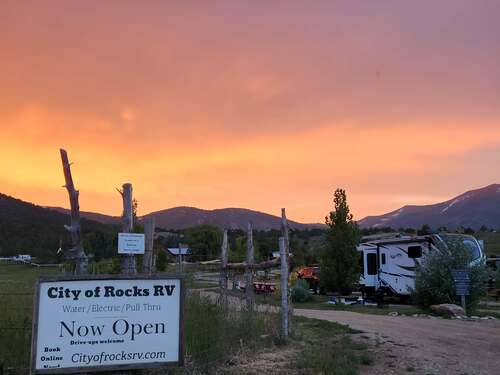
City of Rocks RV
23 RV Sites, 5 Tent Sites
City of Rocks RV in Almo, Idaho, is the gateway campground at the entrance to the City of Rocks National Reserve in Cassia County — a partial-hookup (water and electric 20/30/50 amp) campground with big rig pull-through sites serving rock climbers, history enthusiasts, and high-desert nature explorers who make the pilgrimage to the City of Rocks' extraordinary collection of granite spires, domes, and pinnacles in the Albion Mountain range of southern Idaho. Almo's position at the base of the Silent City of Rocks gives City of Rocks RV the most convenient possible base for the reserve that outdoor recreation and history publications have consistently recognized as one of the most significant and most visually dramatic natural areas in the Pacific Northwest. Partial hookup sites with water and electric service at 20, 30, and 50 amps, big rig pull-through capacity, and Pioneer Bathrooms give guests the practical infrastructure for comfortable campground stays adjacent to one of the most unique geological landscapes in the American West. The campground's gateway position — literally at the entrance to the City of Rocks National Reserve — minimizes the drive between campsite and the reserve's trailheads, rock climbing routes, and historical sites. Pets are welcome. The City of Rocks National Reserve encompasses 14,407 acres of the Albion Mountains in Cassia County where 2.5-billion-year-old granite intrusions have eroded into the extraordinary collection of spires, domes, and balanced rocks that the California Trail's emigrant travelers named the "Silent City" in the 1840s — a landscape so otherworldly that the emigrants' diaries consistently described it in terms of architecture and urban analogy rather than conventional geological description. The reserve's 600 technical rock climbing routes, distributed across the granite formations from beginner slab climbs to expert crack and face routes, have made City of Rocks one of the premier rock climbing destinations in the western United States, with classic routes on formations like Elephant Rock, Morning Glory Spire, and The Parking Lot Wall drawing climbers specifically from across the Pacific Northwest and Intermountain West. The California Trail, one of the most heavily traveled overland emigrant routes of the 1840s-1860s, passed through the City of Rocks between 1843 and 1882 — and the granite formations of the Silent City preserves the original axle grease inscriptions that California-bound emigrants left on the smooth granite surfaces as informal guest registers documenting their passage westward. The National Park Service's interpretive program at the reserve interprets this trail heritage alongside the geological and biological character that make the City of Rocks a nationally significant landscape of multiple overlapping values. City of Rocks RV serves guests through the Cassia County outdoor recreation season from spring through fall, with the rock climbing season centered in the cooler months of May through June and September through October when the granite's surface temperature allows friction climbing that the July and August midday heat prevents. Twin Falls, 60 miles northwest, provides the full-service city's dining, lodging, and the Shoshone Falls — a Niagara-height waterfall on the Snake River sometimes called the Niagara of the West — that extends the day-trip range from the Almo base into the Snake River Plain's geological drama. Reserve sites ahead for the prime spring and fall rock climbing seasons, when the City of Rocks area's very limited commercial accommodation fills from the regional and national climbing community.
from $20/night
5.0
Sevier River RV Park
10 RV Sites
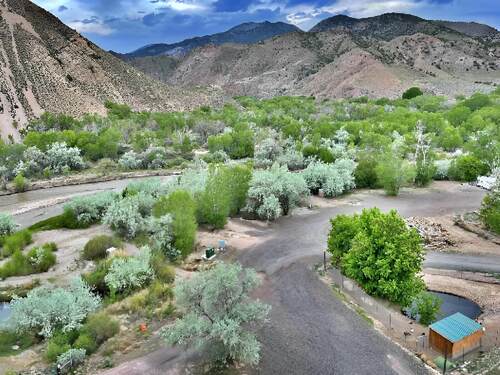
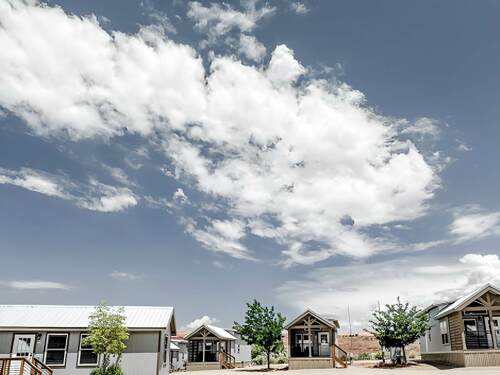
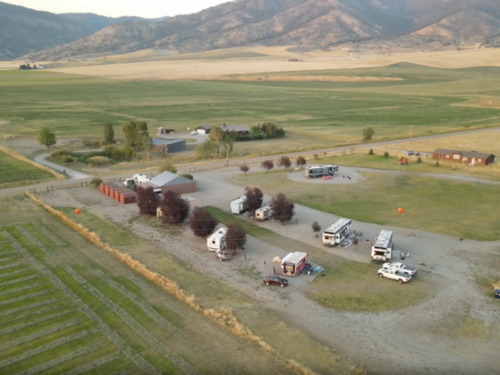
Sevier River RV Park in Sevier, Utah, sits along the Sevier River in central Utah's Fishlake National Forest country — a campground with ATV and biking trails departing directly from the property, alongside cabins, tent sites, and RV hookups for the range of outdoor enthusiasts who use the Sevier County corridor as a base for the extraordinary concentration of ATV trail access, red rock scenery, and public land recreation that this undervisited section of Utah's canyon and mountain landscape provides in the gap between the Dixie and Fishlake National Forests. The campground's trailhead position for direct motorized recreation access and its Sevier River location give guests the immediate outdoor engagement that adventure-oriented camping delivers at its most satisfying. ATV and biking trails starting from the property, combined with the campground's cabin, tent, and RV accommodation range, give the Sevier River RV Park the complete outdoor adventure base infrastructure for the multi-day motorized recreation stays that the Paiute ATV Trail's 900-mile system in southwest-central Utah specifically enables. The Paiute ATV Trail — connecting Richfield, Beaver, Panguitch, and Kanab through the mountains and canyon country of the Fishlake, Dixie, and Manti-La Sal National Forests — is one of the largest and most scenically varied trail systems in the western United States for ATVs, UTVs, and motorcycles, and the Sevier area's position in the system's northern section makes it a natural staging and rest point for multi-day trail expeditions. Pets are welcome. Fremont Indian State Park and Museum, 25 miles north of Sevier in Clear Creek Canyon, preserves the largest known Fremont Indian village site in Utah — a dense concentration of petroglyphs, pictographs, and archaeological features from the Fremont culture that occupied this section of Utah from approximately 700 CE to 1300 CE, creating the most accessible and most interpretively developed Fremont cultural site in the state. The museum's collection of Fremont pottery, figurines, and stone tools contextualizes the petroglyphs that visitors view on the canyon walls above the museum in a way that makes the Clear Creek Canyon site one of the most complete Native American archaeology interpretations in the Colorado Plateau region. Fishlake National Forest, surrounding the Sevier area on multiple compass points, provides 1.4 million acres of central Utah mountain terrain — alpine lakes, aspen groves, and the Fish Lake Plateau at 9,000 to 11,000 feet elevation — that the Fremont River and Sevier River drainages make accessible from the valley floor campgrounds like Sevier River RV Park. Fish Lake itself, the largest natural freshwater lake in Utah at 9,000 feet elevation, sustains one of the finest high-altitude lake trout fisheries in the state and the spectacular aspen color display that the Fishlake Plateau's aspen forest produces in October in the most extensive pure-aspen forest in North America. Sevier River RV Park serves guests year-round in central Utah's four-season continental climate, with the primary ATV season running from May through October and the peak foliage season at Fishlake in October representing a specific and consistently spectacular natural event. The summer months provide the full-range trail access when snow has melted from the higher Fishlake Plateau trails, and the fall season combines the ATV riding with the aspen color that makes the Fishlake-Sevier corridor one of Utah's most rewarding autumn destinations. Reserve sites and cabins ahead for the peak fall foliage weekend in mid-October and during ATV event weekends when the Paiute Trail corridor's visitor traffic fills accommodation in the Richfield-Sevier area.
from $45/night