Stargazing
One of over 34 Spot2Nite camping activities
Marvel at the night sky from campgrounds and RV parks ideal for stargazing. Away from city lights, these locations offer clear views of stars, planets, and meteor showers, making them perfect for astronomy enthusiasts and romantics alike.
RV parks and campgrounds with Stargazing near Golden Valley, Arizona.

4.67
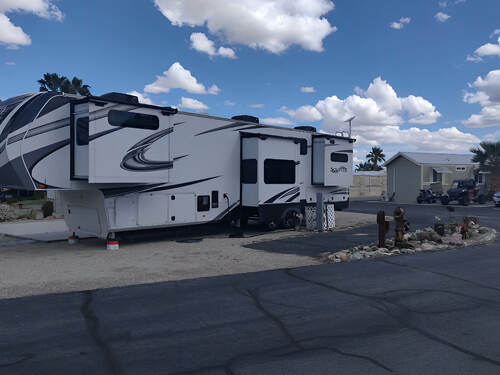
Joshua Tree Lake RV & Campground
39 RV Sites, 79 Tent Sites
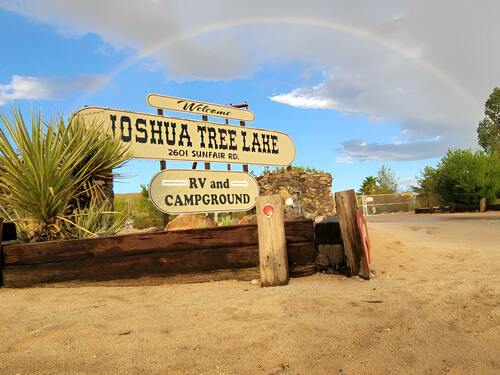
Joshua Tree Lake RV Campground in Joshua Tree, California, provides a lakeside and desert camping experience at the gateway to Joshua Tree National Park—the 800,000-acre California desert preserve where the Mojave and Sonoran Deserts converge and the iconic twisted Joshua trees create the alien landscape that has made this park one of the most photographed national parks in the American West. The campground's pond and lake, wedding venue, live music programming, and exceptional dark-sky stargazing access distinguish it from the park's own developed campgrounds, providing resort-amenity camping with the Joshua Tree character—moonlit boulder piles, star-filled desert skies, and the haunting silhouettes of Yucca brevifolia in the desert night—that defines the high-desert camping experience at the edge of one of California's most beloved national parks. The campground's facility reflects the desert environment and destination event character: a private lake and pond for fishing and desert water recreation, planned activities and live music and entertainment programming that takes advantage of the dramatic desert landscape setting, a wedding venue for celebrations in the Joshua Tree destination event market, bird and wildlife watching in the desert tortoise and roadrunner habitat, a general store, pavilion, showers, bathrooms, dump station, pet-friendly policies, Wi-Fi, and mountain and desert views that frame every camping site with the park scenery that brought guests to Joshua Tree in the first place. Stargazing events and the campground's exceptional night-sky access provide the evening programming that no facilities can improve upon in this dark-sky desert. Joshua Tree National Park's Wonderland of Rocks—a concentration of massive rounded granite monoliths that rose from magma intrusions 100 million years ago and were exposed by erosion to create the boulder-pile landscape that defines the park's distinctive visual character—contains over 8,000 documented rock climbing routes that have made Joshua Tree the most visited and most iconic rock climbing destination in North America. The Skull Rock Nature Trail, Keys View's panoramic Coachella Valley overlook, and the Cottonwood Spring oasis in the Sonoran Desert section provide the representative national park experiences accessible on day hikes from the campground's Joshua Tree gateway position. The town of Joshua Tree, Twentynine Palms, and the High Desert arts and culture community that has grown around the national park's western gateway have developed a distinctive creative culture of galleries, music venues, and the annual Joshua Tree Music Festival that reflect the desert landscape's effect on artistic practice in the creative community that has colonized the Morongo Valley's high desert terrain. The Noah Purifoy Outdoor Desert Art Museum in Joshua Tree—a free outdoor sculpture garden of assemblage art created by Purifoy from the debris of the 1965 Watts Riots—is one of the most significant and unusual outdoor art installations in California. Joshua Tree Lake RV Campground operates year-round in the high Mojave Desert's four-season climate, with the fall and spring seasons from October through April delivering the most comfortable desert temperatures for hiking, rock climbing, and boulder exploration in Joshua Tree National Park—the summer months above 100 degrees Fahrenheit make the park's sun-exposed terrain genuinely dangerous for unprepared hikers in the heat of the day, while the mild winter nights create extraordinary stargazing conditions when the desert air's low humidity and the campground's minimal light pollution combine with the Milky Way's winter arc over the park's boulder silhouettes. The spring wildflower season in February and March after winter rains creates the desert bloom that brings maximum visitor volume to Joshua Tree.
from $15/night


5.0
Hidden Springs RV Resort - Utah
137 RV Sites, 10 Tent Sites, 3 Apartments
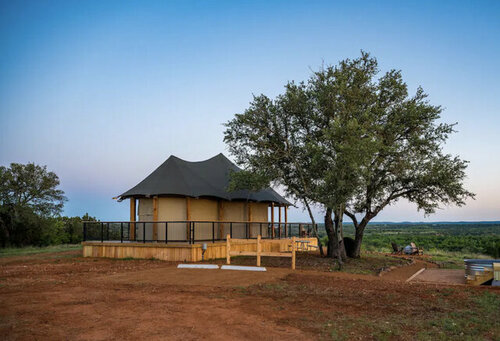
Hidden Springs RV Resort in Ivins, Utah, offers 137 RV sites, three apartments, and 10 tent sites alongside the red cliffs of Snow Canyon State Park, with 20, 30, and 50-amp full hookups and rigs accepted to 80 feet. A dedicated Sprinter van and small RV category joins back-in and pull-through sites, with a pool, hot tub, and spa in a dark-sky community. One hundred thirty-seven sites span back-in, pull-through, and Sprinter van/small RV categories, all carrying water, sewer, and electric on 20, 30, and 50-amp with site WiFi, sized to 80 feet, with picnic tables. The dedicated small-rig category is a genuinely useful distinction — van travelers do not pay for space they cannot use. Three apartments and 10 tent sites round out the lodging. A general store, boutique shop, laundry, restrooms, and a clubhouse handle the practical side. An outdoor pool, hot tub, sauna, and spa anchor the property, with a pond, community fire pit, walking trails, corn hole, and a playground filling the grounds. Ivins is a designated dark-sky community, which makes the stargazing here reliable rather than weather-dependent luck. Pets are welcome. The position is exceptional. Snow Canyon State Park's red cliffs sit immediately alongside, with Zion National Park and the wider St. George public lands within easy reach on Old Highway 91. Spring and fall are peak for southern Utah's park circuit. Reserve well ahead for March through May and September through October.
from $55/night
4.5
Bryce Zion Campground
36 RV Sites, 3 Cabins, 20 Tent Sites
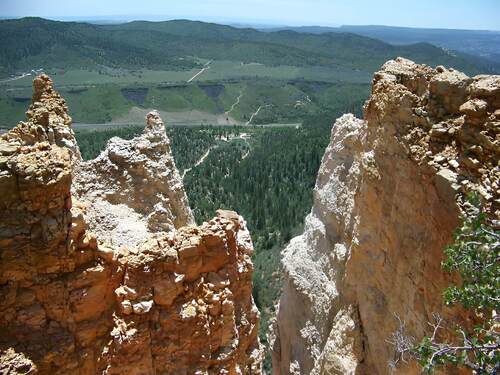
Bryce Zion Campground in Glendale, UT, offers 36 full-hookup RV sites, 3 cabins, and 20 tent sites, with 30 and 50-amp service and room for rigs up to 72 feet. Every RV site is a pull-thru, sorted by service: 30-amp water and electric, deluxe 30-amp water and electric, 30/50-amp water and electric, and full-hookup 30/50-amp. Sites carry water, sewer, and electric with site-delivered WiFi, a fire pit, and a picnic table. One booking note that matters: sites 39 through 49 require an RV at least 30 feet long, so smaller trailers should book elsewhere in the campground. Group sites hold up to 40 people. A bathhouse with showers and on-site dining are available, and pets are welcome. An outdoor pool and a playground handle the afternoons, and the dark Kane County sky is as good for stargazing as anywhere in the state. Glendale sits on US Highway 89 in the red rock canyon country between Bryce Canyon National Park to the north and Zion to the south — a genuine midpoint for anyone doing both. Rates for sites, cabins, and tent spots are on the booking page. Spring and fall, the best months for both parks, book earliest.
from $45/night